
Each tool is built for a different job. Google Forms collects basic information quickly but has limited event management features. Automated notifications, on-site check-in, and data integration all require separate handling.
Accupass focuses on public event discovery and ticketing payment flows. It suits events that need external ticket sales, but registration forms cannot be edited once someone has submitted a response, making it less suited for enterprise events that need flexible field adjustments or restricted access.
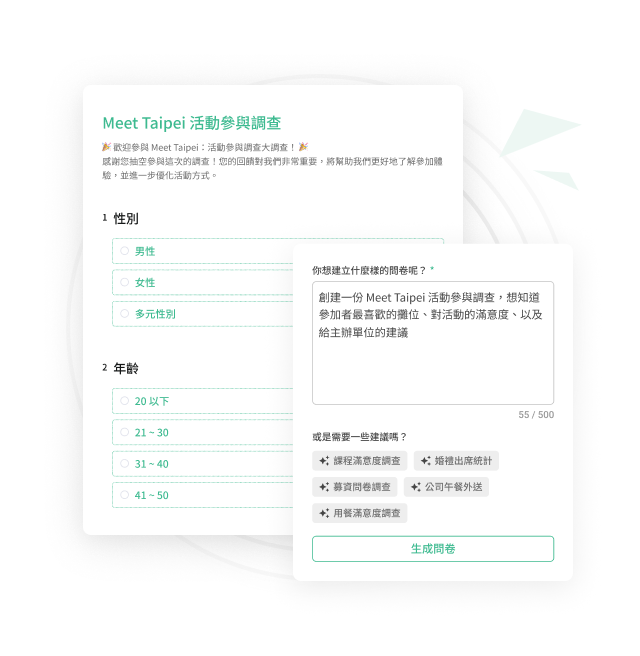
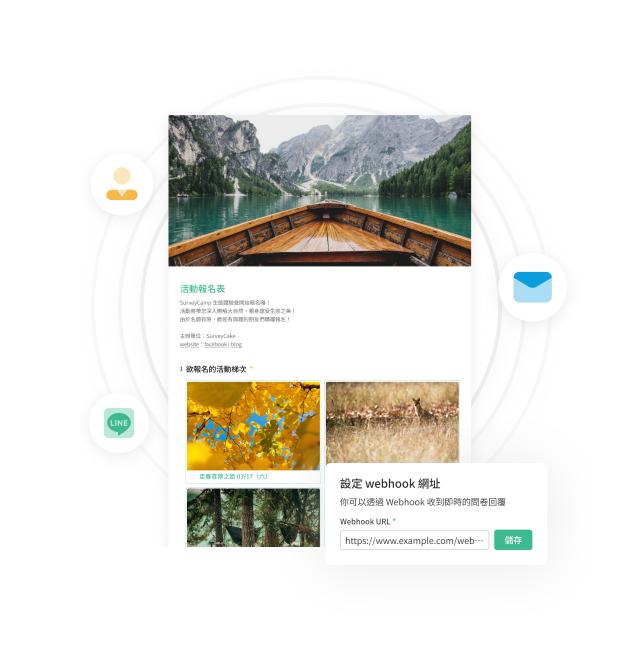
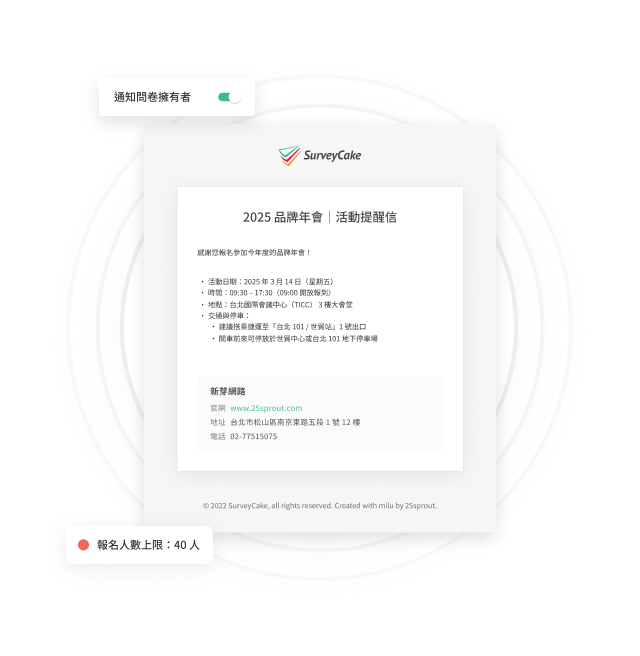
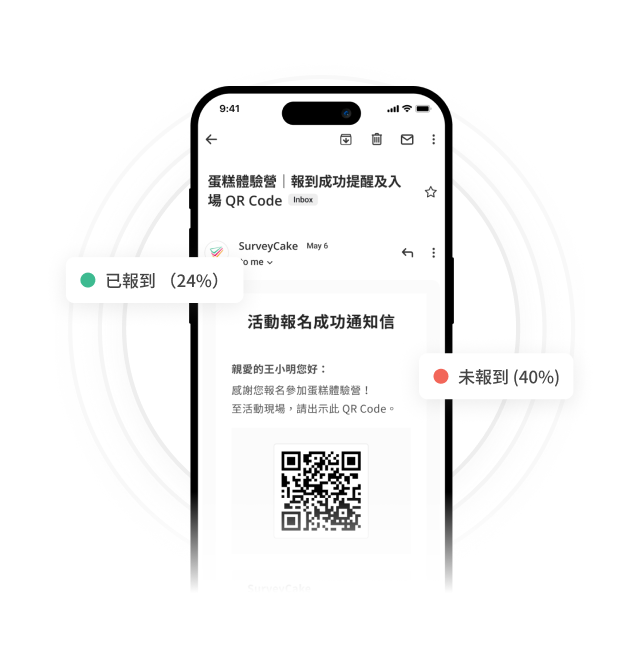
SurveyCake's advantage is a highly customizable registration flow. It connects to internal CRM or membership systems, restricts access to specific audiences, automates notifications, supports QR Code on-site check-in, and collects post-event feedback. It is built for internal events or member-exclusive activities where registration data needs to integrate into existing enterprise systems.
No. SurveyCake supports response limit and survey expiration date settings. Once the quota is hit or the deadline passes, the form stops accepting submissions automatically. No one has to keep watching the dashboard. For teams managing multiple events simultaneously or teams that cannot monitor the backend at all times, this prevents over-registration and late data entry effectively.
Yes. SurveyCake supports embedding GA4 tracking codes and Meta Pixel to help brands monitor survey visits, submissions, and event traffic performance. Interaction data can also be used for ad audience building and remarketing, turning event data into the foundation for ongoing performance analysis and marketing optimization.
SurveyCake supports automatic tagging of survey results based on response content, and connects to CRM, CDP, LINE OA, and other marketing systems. Registration and feedback data flow directly into segmented marketing workflows after collection, with no manual export or matching required. For brands that need to maintain ongoing relationships with participants, this makes every event's data the starting point for the next marketing cycle.